Distributor sourcing · Procurement guide
A Distributor's Checklist for Sourcing Self-Service Entertainment Machines
Adding a new product category is not simply a question of finding a machine with an attractive purchase price. A distributor must be able to explain the product, qualify local buyers, support installation, manage spare parts and protect its reputation after delivery.
Self-service entertainment equipment presents a particular opportunity—and a particular challenge. Unlike familiar snack or beverage vending machines, a fortune-inspired kiosk or cultural interaction device may need more explanation before venue operators understand its value.
This checklist is designed for distributors, vending equipment suppliers and commercial entertainment partners considering a differentiated product line.
1. Define your buyer before choosing the model
Start with the type of customer you already serve. A distributor with strong relationships among tourist attractions will evaluate equipment differently from a supplier to shopping malls, arcades or small business operators.
Identify the priority buyer for your equipment portfolio.
| Buyer segment | Typical interest | Questions to clarify |
|---|---|---|
| Vending / self-service equipment dealers | New category to offer existing customers | Payment integration, maintenance and repeatability |
| Amusement and interactive equipment suppliers | A distinctive attraction or add-on | Visitor experience, space and installation requirements |
| Tourism and cultural project operators | Themed engagement for visitors | Cultural fit, language, local permissions and visitor flow |
| Commercial venue operators | A new paid visitor interaction | Staffing, consumables and management responsibilities |
The strongest product is one that fits your actual sales channels and service capacity, not merely one that looks unusual.
2. Request a real equipment demonstration
A supplier's promotional video can create interest, but a distributor needs to understand what customers will receive. Ask for a demonstration of the exact model and configuration being quoted.
Use the demonstration to answer these questions.
- What happens when a visitor approaches the machine?
- How does the visitor start and pay for the experience?
- What does the visitor physically touch or select?
- What happens if a step is interrupted?
- How are results delivered—screen, printout or another format?
- Where are consumables or souvenirs loaded and collected?
- What does the service operator need to do between uses?
Record the standard functionality separately from optional features. This prevents the sales team from promising a configuration the factory has not approved.
3. Examine the concept as well as the hardware
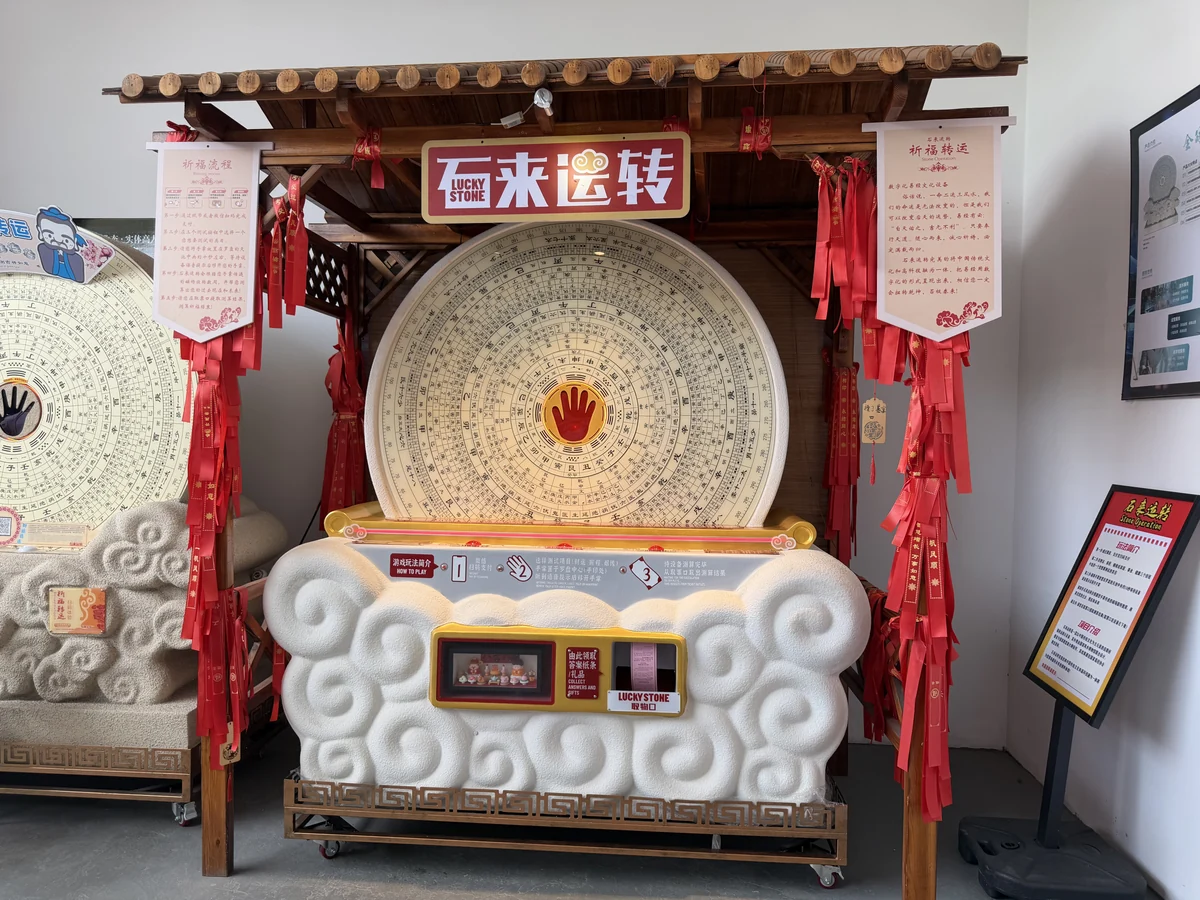
Take Lucky Stone Lingji JH-768, FORTUNEVEND’s pavilion-style fortune-inspired machine, as an example. The visitor uses the configured payment method and palm sensor, watches full-wheel rotation with light and sound, and collects a printed result. Gift dispensing is an optional configuration confirmed in the order.
For a distributor, this creates two sales conversations. One is the hardware conversation—size, power, payments and service. The other is the experience conversation—who will participate, what makes it memorable and whether the venue's audience is a good match.
Its themes may cover wealth, future prospects and relationships. Position the experience as cultural entertainment rather than a factual prediction or guaranteed benefit. Adapt wording and claims to local requirements.
4. Confirm the technical specification line by line
Never rely on a single marketing sheet for all models. Request the current model-specific specification and use it as the source of truth.
Include these categories in your specification review.
| Category | Details to obtain from the supplier |
|---|---|
| Physical unit | Model code, full dimensions, weight, required access clearance |
| Electrical and network | Power requirements, supported connections, offline behavior |
| User interface | Touchscreen or buttons, supported languages, audio and printed content |
| Payment | Included hardware, optional readers, currencies, provider requirements |
| Consumables | Paper, gifts, loading capacities, refill process and supply availability |
| Remote operation | Monitoring functions, connectivity needs and account access |
| Installation | Packaging size, crate weight, unloading and assembly instructions |
| Service | Warranty start date, exclusions, spare parts and troubleshooting process |
For large machines, shipping dimensions and actual weight can materially affect freight costs. Confirm the packaged specification for the exact unit to be shipped, not the showroom example.
JH-768 reference for early planning
The current specification gives the following reference values. Final dimensions, packing and equipment configuration are confirmed against the order drawing.
| Planning item | JH-768 reference |
|---|---|
| Reference width × depth × height | Approx. 190 × 85 × 220 cm; final order drawing applies |
| Reference weight | Approx. 260 kg; final configuration confirmed with your order |
| Reference rated power / voltage | 500 W / 220 V; destination power and plug options reviewed for your order |
| Packing length × width × height | 195 × 95 × 238 cm; packing method and gross weight confirmed before shipment |
| Reference production time | Approx. 10–15 days, excluding shipping; custom work scheduled separately |
Orders start from one machine, with volume quotations for ten or more. JH-768 has a reference production time of approximately 10–15 days, excluding shipping. Custom work is scheduled separately. The one-year machine warranty, coverage, start date, spare parts and support responsibilities are specified in the order.
For a different exterior and interaction format, review the model-specific Wheel of Destiny JH-349 information.
5. Check local payment feasibility early
Payment integration is often one of the biggest differences between a domestic demonstration and a workable international installation. A card reader or cashless system that works in one country may require a different provider, account approval or hardware configuration elsewhere.
Before quoting a local customer, clarify whether the installation needs cash, banknotes, card payments or other regional methods. Verify who owns the payment merchant account, who configures the reader, who receives funds, and who handles refunds or disputes.
If the machine supports third-party readers, get written confirmation of compatibility for the selected model and market. Avoid describing a payment method as supported until that compatibility has been verified.
6. Evaluate customization without losing configuration control
International buyers may want local-language guidance, different printed messages, venue branding or adapted payment hardware. These requests are commercially attractive but can complicate delivery if changes are not documented.
A well-managed distributor uses a configuration approval sheet with the model, finish, logo/artwork, languages, content, payment hardware, software options, packaging and any local installation requirements. Both the buyer and the supplier should approve the same version before production.
For fortune-inspired equipment, have local partners review language and cultural context. Direct translations may not deliver a natural visitor experience. Confirm what needs to be approved or translated and who signs off the finished content.
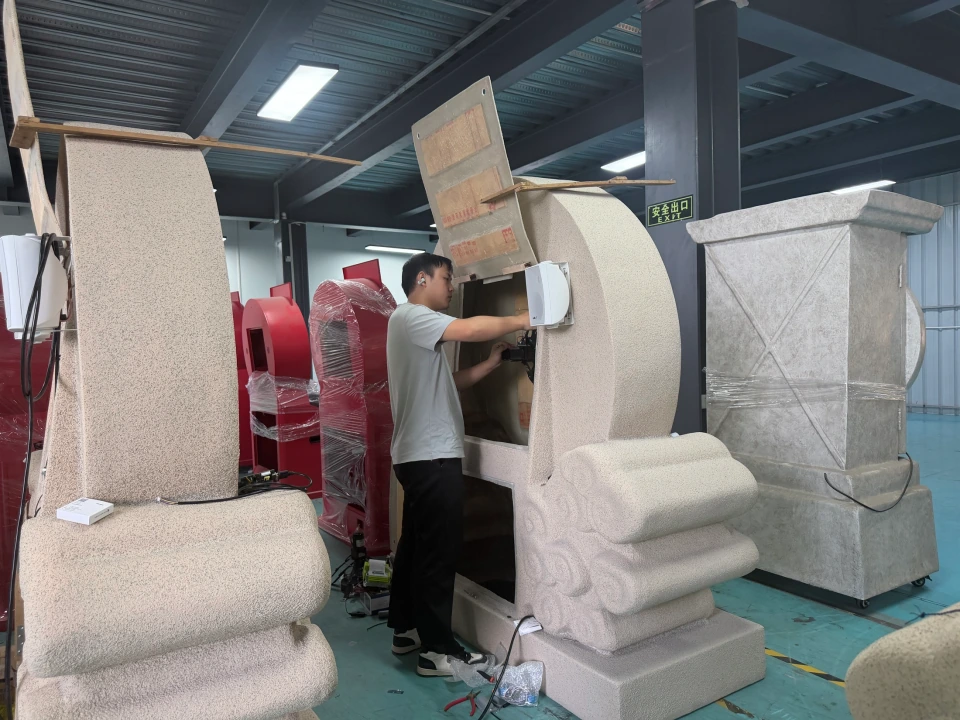
FortuneVend is the international brand of Guangzhou Jiahe Cultural Development Co., Ltd. Related equipment experience began in 2010, and the current company was established in 2016. Review the brand journey and technical capabilities and design-patent and copyright records, checking document holders and scope for your order.
7. Understand the partnership model
Not every local partner performs the same role. Common arrangements have different roles and responsibilities.
- Sales / reseller partner. introduces and sells the equipment to local commercial buyers.
- Venue operator. purchases or operates the machine in a venue it owns or manages.
- Territory / project partner. develops a network of venues and coordinates larger local projects.
The responsibilities differ. Ask who handles prospect qualification, pricing, customer contracts, shipping, on-site installation, payment accounts, consumables and after-sales support.
Do not assume exclusivity, protected territory or recurring revenue is included. If those terms matter, discuss them explicitly and put them in the agreement.
8. Put service and risk management into the quote
A machine can sell well but still become a poor distributor product if support responsibilities are unclear. Review the warranty period and the actual coverage, remote support hours, spare-parts purchasing, installation guidance and training materials.
Ask the supplier what happens if the equipment arrives damaged, a payment device fails, the printer jams or the network is unavailable. A good response should identify the responsible party, troubleshooting steps and escalation route—not just promise that service will be easy.
Also review local rules for electrical installation, consumer promotions, claims related to fortune-telling and any venue-specific approvals. Verify certificates against the selected product and destination where required. A generic certificate image is not proof that every configuration is compliant.
9. Build an initial pilot before forecasting scale
A distributor launching a new category should test the sales story, installation process and support burden before committing to broad distribution claims.
Use a pilot to answer three questions.
- Market fit. Do the intended buyers understand and value the product?
- Operating fit. Can the venue manage everyday servicing and supplies?
- Commercial fit. Are installation and operating costs acceptable under realistic assumptions?
Track actual visitor use, consumables, support requests and qualified inquiries. Do not treat example revenue calculations or projected payback as guaranteed results. Expansion decisions should be based on evidence from the distributor's own market.
10. Questions to ask before issuing a purchase order
Use this shortlist when discussing a proposed order.
- Which exact model, generation and revision will be delivered?
- Which features are standard, optional or dependent on local providers?
- Can we inspect a real unit and receive a model-specific test report?
- What are the full packing dimensions, shipping weight and freight terms?
- Who manages installation, network and payment configuration?
- What languages and branded content can be localized?
- What consumables and spare parts should be ordered initially?
- What is covered by warranty and how is remote support provided?
- Can our sales team use verified product images and installation cases?
- What are the responsibilities under our intended cooperation model?
Explore a differentiated cultural entertainment category
FORTUNEVEND develops interactive, fortune-inspired entertainment equipment and supports discussions about deployment, reselling and project cooperation. For distributors interested in Lucky Stone, the first step is to share your country, current customer types, expected sales channel and required technical or payment options.
A focused conversation helps both parties assess whether the equipment belongs in your portfolio before discussing quantities or territory arrangements.
Prepare your distributor discussion
Send your target market, sales channels, service capability and preferred model mix.
Use the historical installation records as model-labelled evidence and the tourist-attraction selection guide for venue planning.
Frequently asked questions
Is a self-service entertainment machine the same as a vending machine?
Both may use automated payment and unattended operation, but entertainment equipment is typically designed around a visitor interaction or experience, rather than solely dispensing a retail product.
Can a distributor sell Lucky Stone under local branding?
Branding and configuration options should be discussed with the supplier and confirmed in an approved quotation. Availability and scope may vary by order and model.
Are cashless payment systems included?
Do not assume this. Confirm the quoted payment hardware, third-party service requirements and market compatibility for the exact configuration.
Is one sample unit enough to assess the opportunity?
A sample or pilot can help validate visitor response, service requirements and local buyer interest. It is not enough to guarantee financial performance across locations.
What should a distributor prepare before requesting a quote?
Provide the target country, customer segments, estimated quantity, required languages, expected payment methods, delivery destination and any installation or certification requirements.