Commercial equipment · Payment & purchase
Coin-Operated Fortune Telling Machines for Commercial Venues: A Buyer’s Guide
Buying a coin-operated fortune-telling machine means specifying a complete paid experience: accepting the right payment, starting one interaction and delivering the promised result. For a distributor, attraction or entertainment venue, those steps need to work together before the machine is ready for customers.
Before requesting a coin-operated configuration
FORTUNEVEND’s current Lucky Stone Lingji JH-768 information describes destination-dependent cash, QR and payment options. It does not establish a particular coin acceptor, supported denominations, token system or change-giving function. If coins are essential, request a written hardware assessment and a demonstration using your intended currency before ordering.
1. Define what you are buying
Searches for a fortune telling machine for sale can lead to new commercial equipment, restored arcade cabinets and collectible machines. Start by specifying a new machine for a particular venue, rather than comparing every listing on purchase price. Ask which model, configuration and service documentation the quotation covers.
A commercial fortune telling machine provides a themed interaction. Lucky Stone Lingji JH-768, FORTUNEVEND’s current core pavilion-style model, uses palm sensing, full-wheel rotation, light and sound, and a printed result. Gift dispensing and mist are optional configurations. It is cultural entertainment; it does not promise accurate predictions or changes in a visitor’s luck.
Define the visitor’s purchase in plain language: what one payment activates, what the visitor receives, and where to obtain help. A retail vending machine primarily dispenses merchandise; this equipment is purchased around an interactive experience, even when a configured gift is included. Keep that distinction clear in your venue signage and distributor sales material.
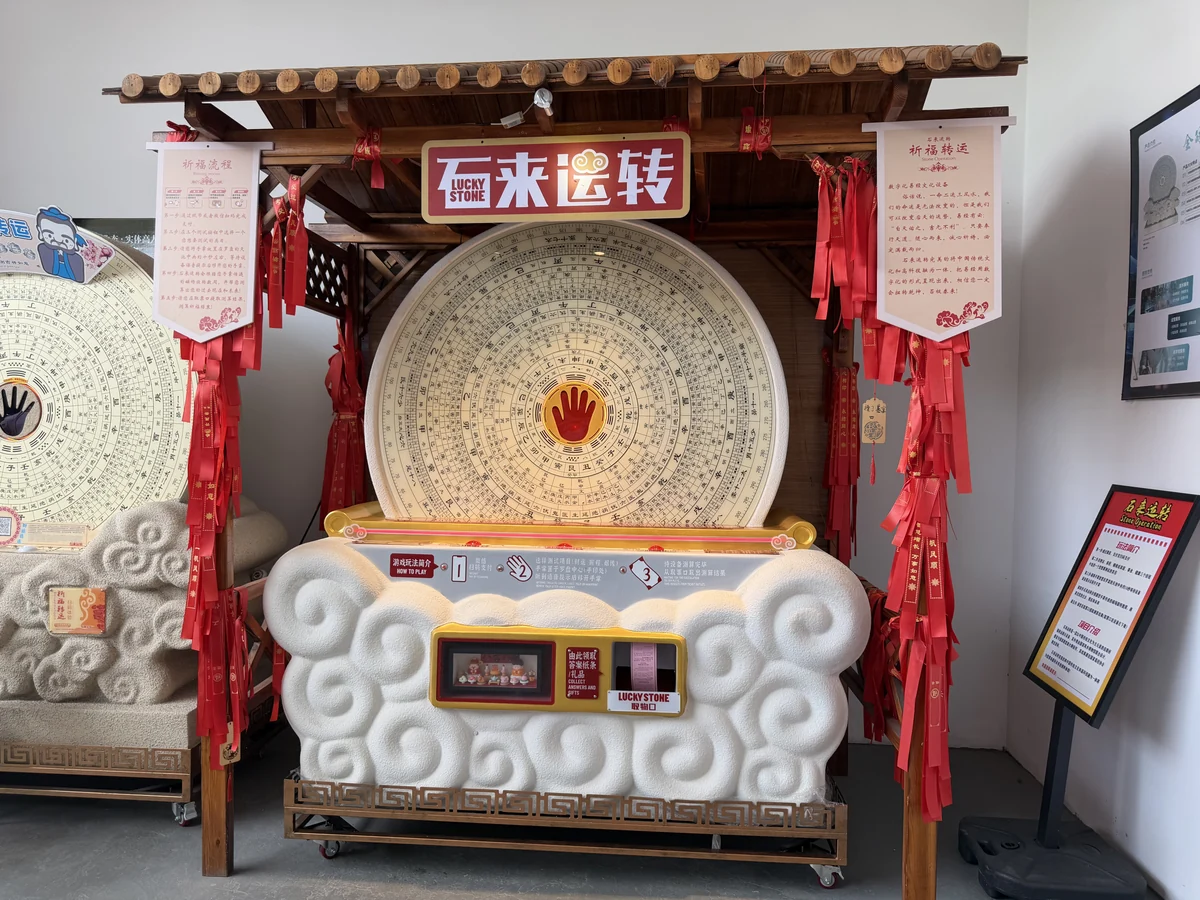
Use the current JH-768 product page for model specifications and a quotation. This guide focuses on specifying and accepting the paid transaction, rather than replacing the model page.
2. Specify the coin and payment requirements before discussing price
“Accepts cash” is insufficient for a coin-based project. Banknotes, coins and tokens require different equipment and operating arrangements. Send the supplier the destination country, currency, denominations and proposed price per experience. Ask which exact hardware can be assessed for that specification.
| Requirement | What to confirm in writing |
|---|---|
| Accepted payment | Coin or token type, denominations, recognition requirements and the exact proposed acceptor. Do not assume a token and a similarly sized coin are interchangeable. |
| Credit and price | How inserted value becomes credit, how much credit starts one session, and how the operator changes the experience price. |
| Overpayment and change | Whether the design rejects excess value, retains credit or provides another agreed response. A coin acceptor is not evidence of a change dispenser. |
| Machine interface | Controller compatibility, wiring responsibilities and how payment completion starts the experience. Request supplier-approved integration, rather than fitting a reader by appearance. |
| Cashless alternative | Reader or QR configuration, local merchant account, provider approval, connectivity and fees. Verify each method separately. |
| Operational records | Which transaction or credit records are actually available, how cash collections are checked and who can access the records. Do not assume remote cash reconciliation is included. |
Payment provider Nayax explains that machine communication protocols differ and that a mismatch can prevent communication. That is a useful integration question to ask; it is not confirmation that a Nayax device, Pulse, MDB or any particular interface is supported by JH-768. FORTUNEVEND must review the selected hardware and destination.
Keep visitor payment separate from payment for the equipment order. A machine’s payment configuration does not determine the deposit, balance, shipping or other commercial terms of your purchase.
3. Watch the complete experience on the quoted model
The existing English JH-768 video shows payment, theme selection, palm interaction, wheel movement and collecting a printed result. Use it to understand the visitor journey. The payment arrangement shown is not a demonstration of every local coin or payment configuration.
Playback could not start. Open the video file or try again.
For your order, request the same complete sequence with the proposed payment arrangement: ready state, payment, selection, interaction, result and return to ready. Check instructions from the visitor’s position. The interface, voice and printed result may need different translations, and all three should be approved before production.
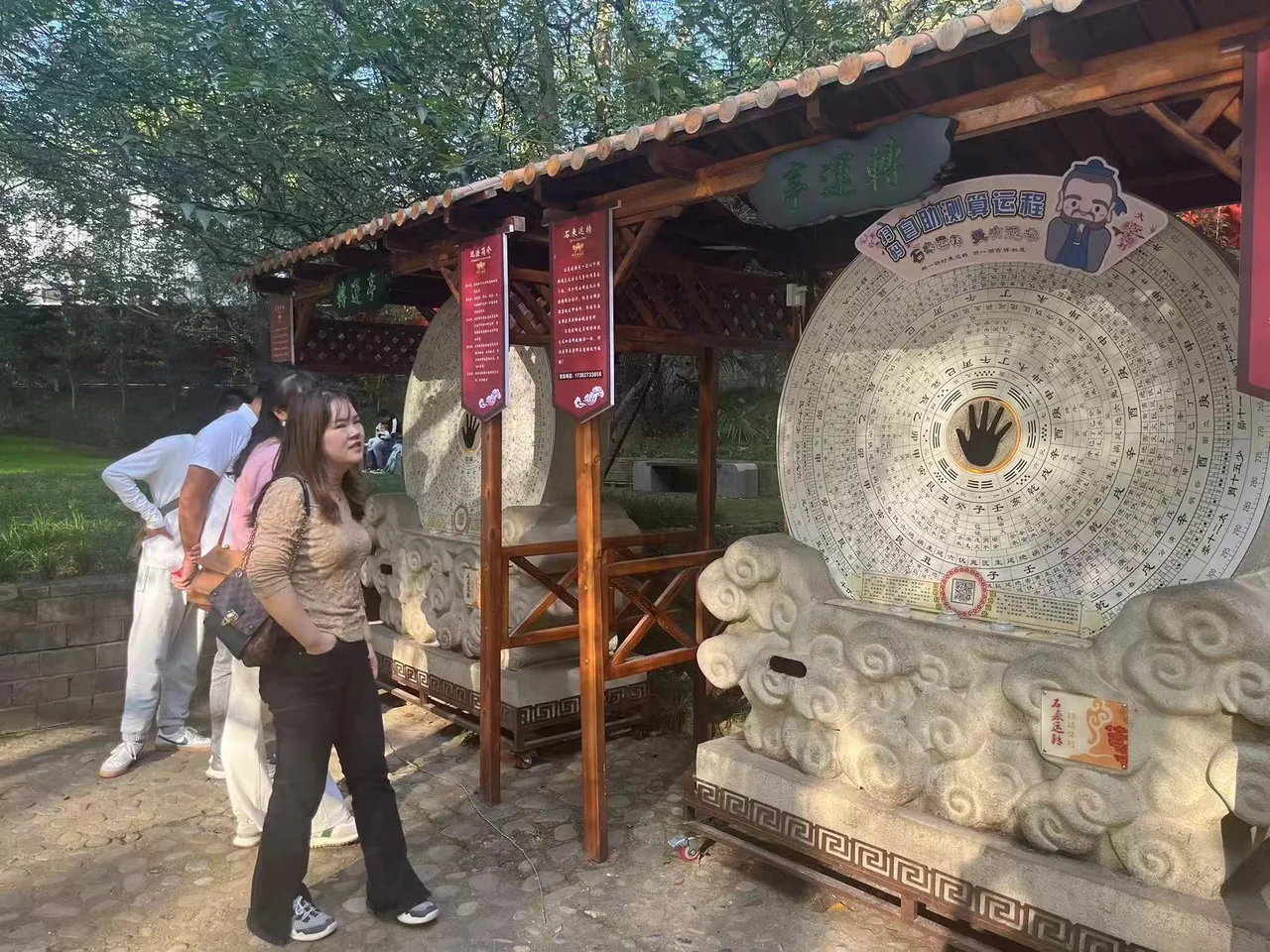
The model-labelled installation record helps you assess an actual visitor setting. Request current JH-768 information for a new pavilion purchase, rather than treating a historical installation as the specification for your order.
4. Agree what happens when a paid session is interrupted
Write an acceptance checklist before paying the final equipment balance. The scenarios below are buyer test requests, not claims that every recovery feature is already included. Ask the supplier to demonstrate the agreed response and document any limitation.
- Correct payment: agreed coins or other approved payment activate exactly the intended experience, with clear credit and start instructions.
- Insufficient, rejected or repeated payment: the visitor can understand what has happened, and the machine does not start an unintended extra session.
- Payment accepted but interaction unavailable: test the agreed operator response for paper depletion, a printer fault or another interruption. Establish who provides assistance and any refund.
- Power or network interruption: demonstrate the resulting credit and session state. Do not assume automatic credit recovery or offline payment acceptance.
- End of session: the printed result is accessible, configured outputs are delivered, and the machine returns to its ready state.
Include the visitor help contact, fault-reporting process and an agreed way to take an unavailable machine out of service. An automatic refund, remote restart or downtime alert must be confirmed as a specific function, not inferred from the phrase “self-service.”
5. Plan paper, cash collection and maintenance access
Assign routine work to a named venue operator or service partner. Ask for the approved paper specification, loading method, refill capacity and a printing test. Paper use and refill intervals depend on actual sessions and configuration; do not build a service plan around an unverified “maintenance-free” claim.
If gift dispensing is ordered, confirm item dimensions, loading access, compatible packaging and a refill demonstration with the intended gifts. For mist, request the relevant consumable and maintenance instructions. These optional systems need their own operating plan.
For a coin installation, agree authorized access to the cash container, collection responsibilities, key custody and the available reconciliation method. Ask for the payment hardware maker’s approved cleaning instructions. Do not apply liquids or undertake electrical work without the relevant instructions and qualified assistance.
Leave working space for service doors and removal of consumables. An attraction queue or arcade aisle should not prevent the operator reaching the printer or isolating the equipment. Discuss exterior artwork, payment labels and printed-result design together so that customization remains understandable during everyday use.
6. Turn the configuration into a purchase and delivery brief
JH-768’s current reference size is approximately 190 × 85 × 220 cm (width × depth × height), with a reference weight of 260 kg and rated power/voltage of 500 W / 220 V. These figures support early planning; the order drawing and destination power review determine the supplied configuration. Allow for visitors, maintenance and the handling route beyond the machine itself.
Reference packing is 195 × 95 × 238 cm. Confirm the final packing method, gross weight, unloading responsibilities and route into the venue. The pavilion roof does not establish universal weather protection; exposed outdoor placements need a separate review.
FORTUNEVEND accepts orders from one machine, with volume quotations for ten or more. JH-768’s reference production time is about 10–15 days, excluding shipping; custom work is scheduled separately. The one-year machine warranty, coverage, start date, spare parts, support and delivery responsibilities are specified in the order. No public guide replaces those written terms.
Request a configuration assessment for your venue
Send your country, venue, quantity, intended payment method, coin denominations if relevant, languages, available space and delivery schedule. Ask us to identify what is included and what still needs technical assessment.
For broader supplier due diligence, use A Distributor’s Checklist for Sourcing Self-Service Entertainment Machines. For placement in a mall, see the shopping-mall kiosk buying guide.
Frequently asked questions
Does Lucky Stone JH-768 include a coin acceptor as standard?
The current public specification does not confirm a standard coin acceptor or supported denominations. Cash and payment options are reviewed for the destination and selected hardware. Request a written assessment before making coins an order requirement.
Can one machine accept both coins and cashless payments?
A combined arrangement must be assessed for the machine controller, payment hardware, provider and country. Do not assume that adding a reader automatically preserves coin credit, enables refunds or gives transaction-level reporting.
Does a coin acceptor give change?
Not necessarily. Acceptance, stored credit, rejection and change dispensing are separate functions. Ask the supplier to document the agreed overpayment response and demonstrate it.
How much does a commercial fortune-telling machine cost?
Request a quotation for the exact model, payment hardware, languages, options and destination. Confirm equipment, development, packing, freight and support inclusions rather than using an unrelated machine’s advertised price.
Can the experience run without an attendant?
The visitor interaction can be self-service, but payment assistance, cleaning, paper refills, any gift refills and faults still need an operator’s plan. Staffing and service arrangements depend on the location and configuration.